
Palo Santo Sticks and Wood
Every stick here comes from Bursera graveolens that fell on its own and was left to cure in the dry forest for years before collection. That is not a marketing line: it is what the Peruvian forestry authority permits, and it is why the wood smells the way it does.
 Sale
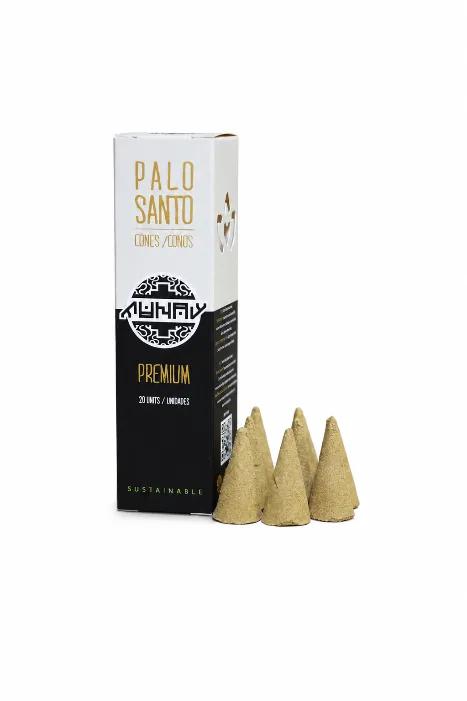
Premium Palo Santo Incense Cones (20 Pack) | Spatial Clearing & Ambient Reset
$ 9.35
 Sale
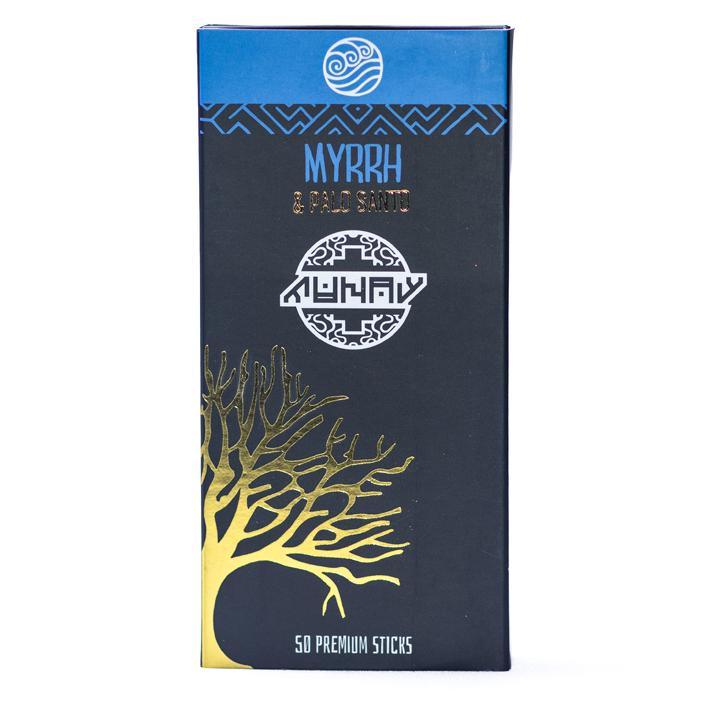
Premium Myrrh & Palo Santo Incense Sticks (50 Units) | Magnetic Resonance & Deep Unwinding
$ 10.80
 Sale
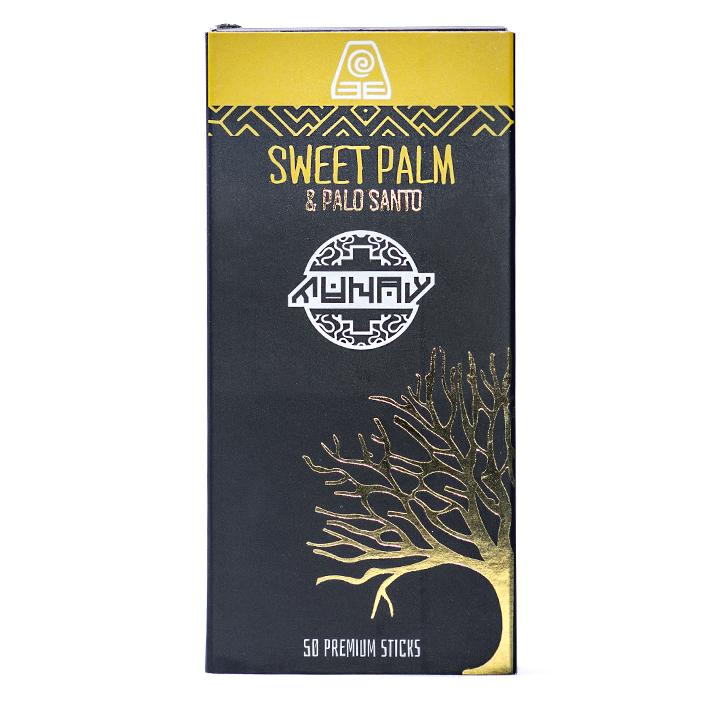
Premium Sweet Palm & Palo Santo Incense Sticks (50 Units) | Somatic Grounding & Stability
$ 10.80
 Sale
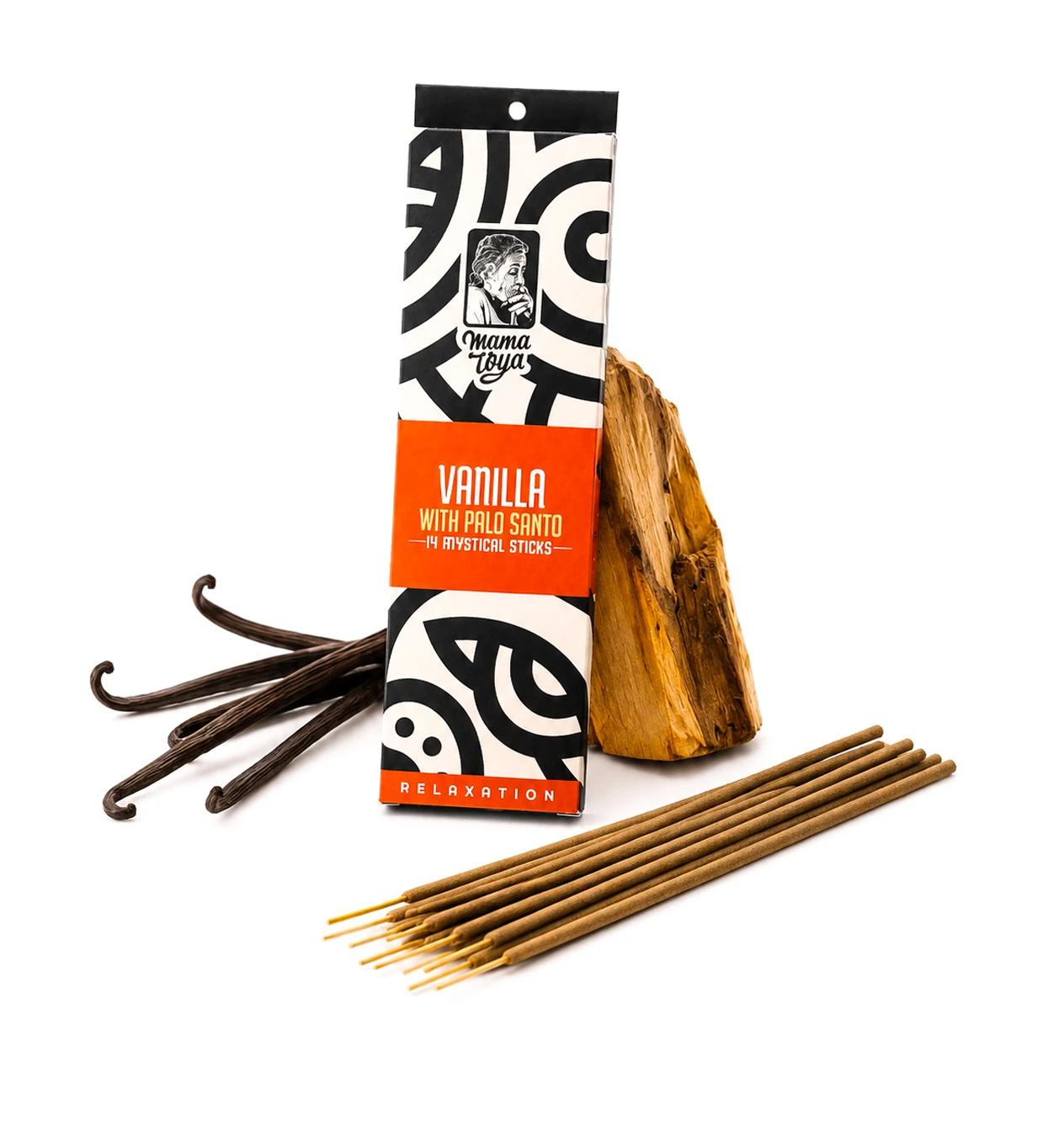
Vanilla with Palo Santo Incense Sticks (14 Pack)
$ 7.65
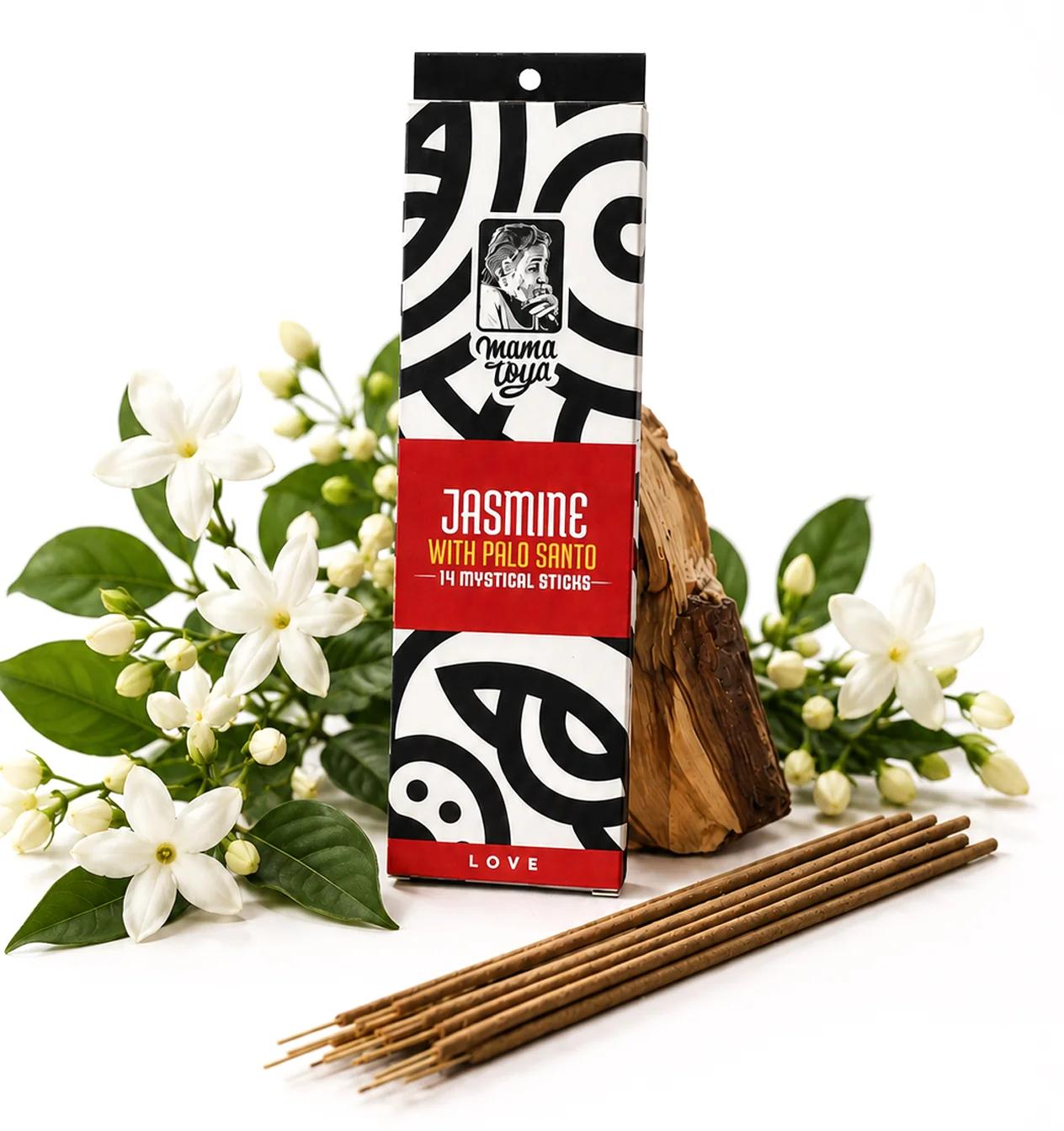 Sale
Palo Santo & Jasmine Incense Sticks (14 Pack)
$ 7.65
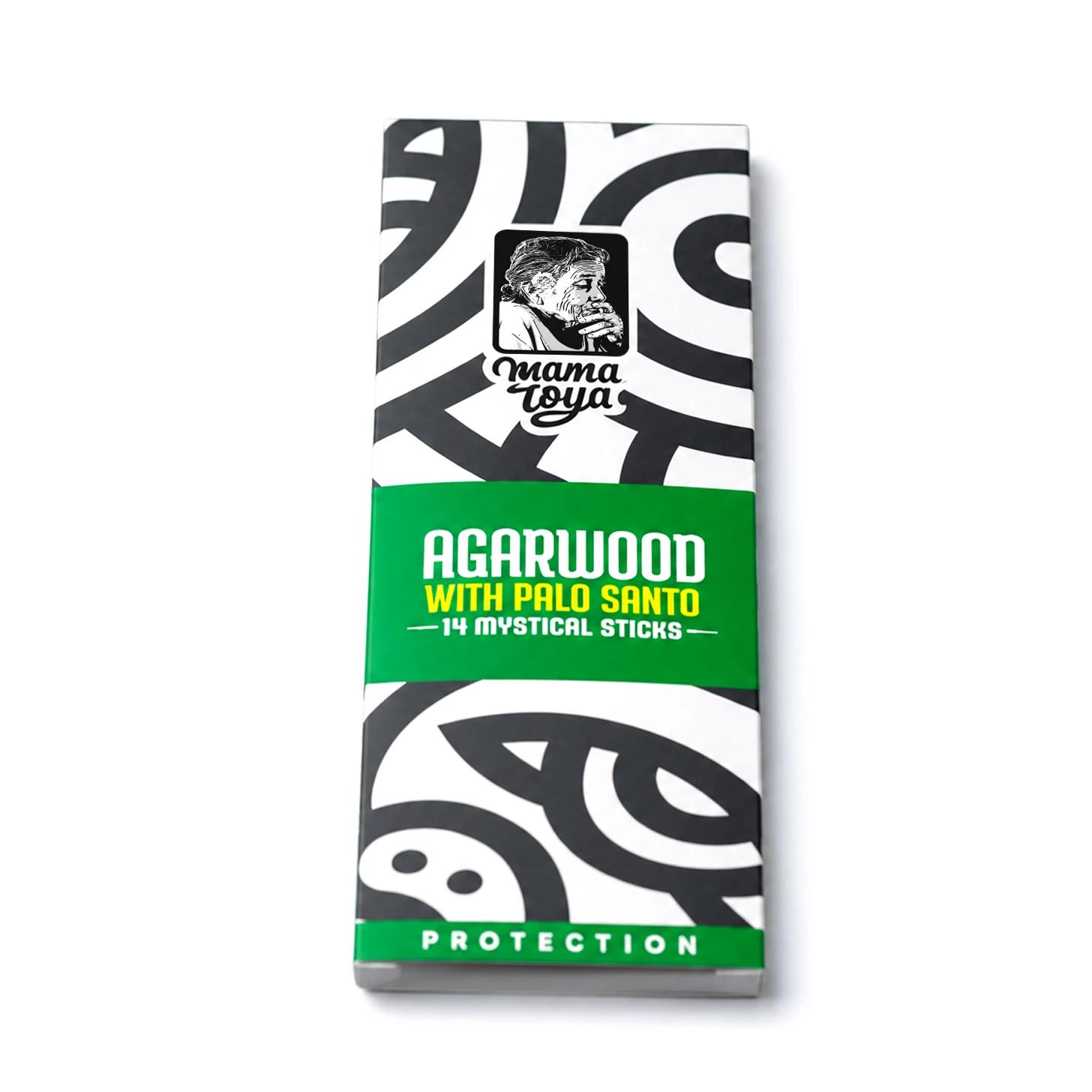 Sale
Agarwood with Palo Santo Incense Sticks (14 Pack)
$ 7.65
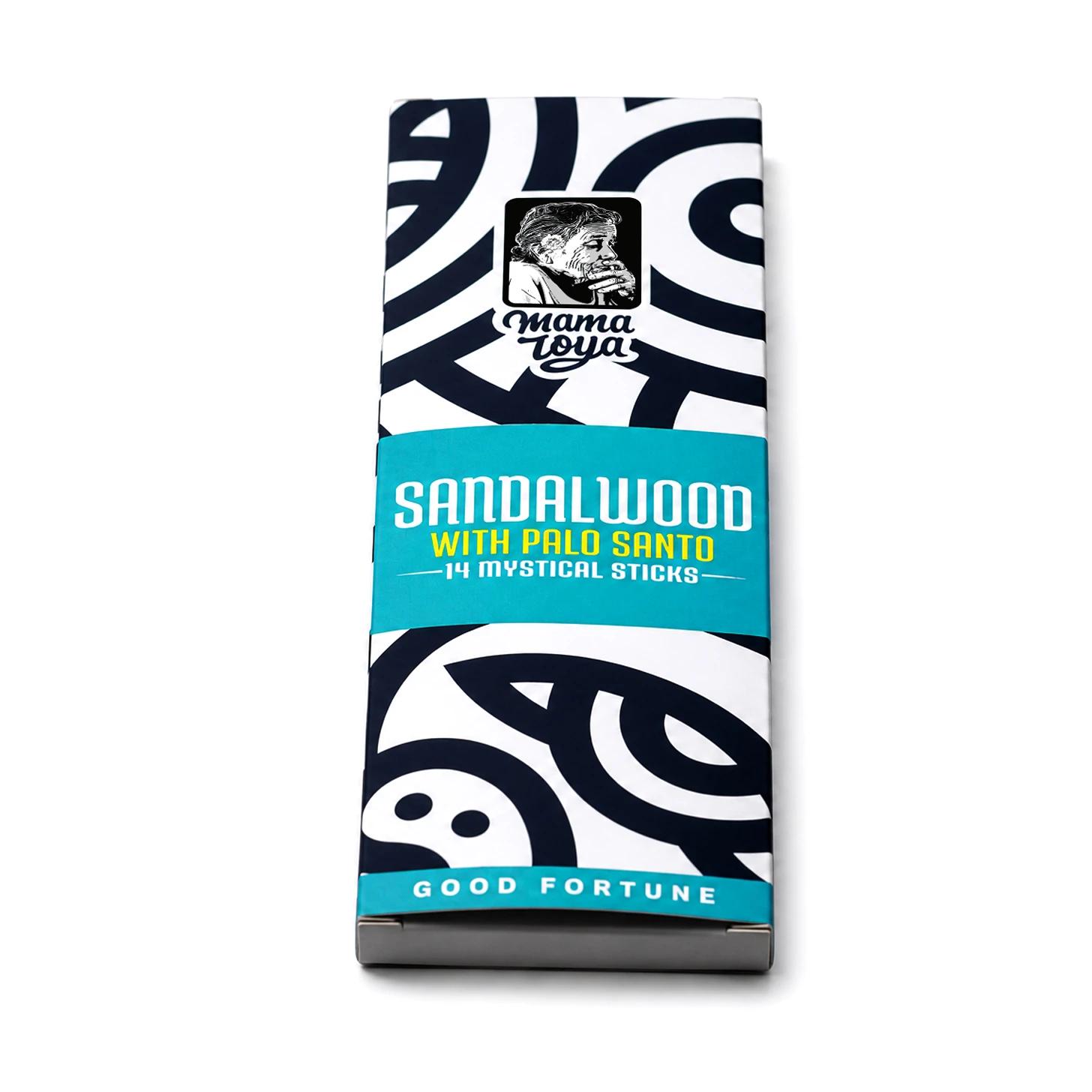 Sale
Sandalwood with Palo Santo Incense Sticks by Mama Toya (14 Pack)
$ 7.65
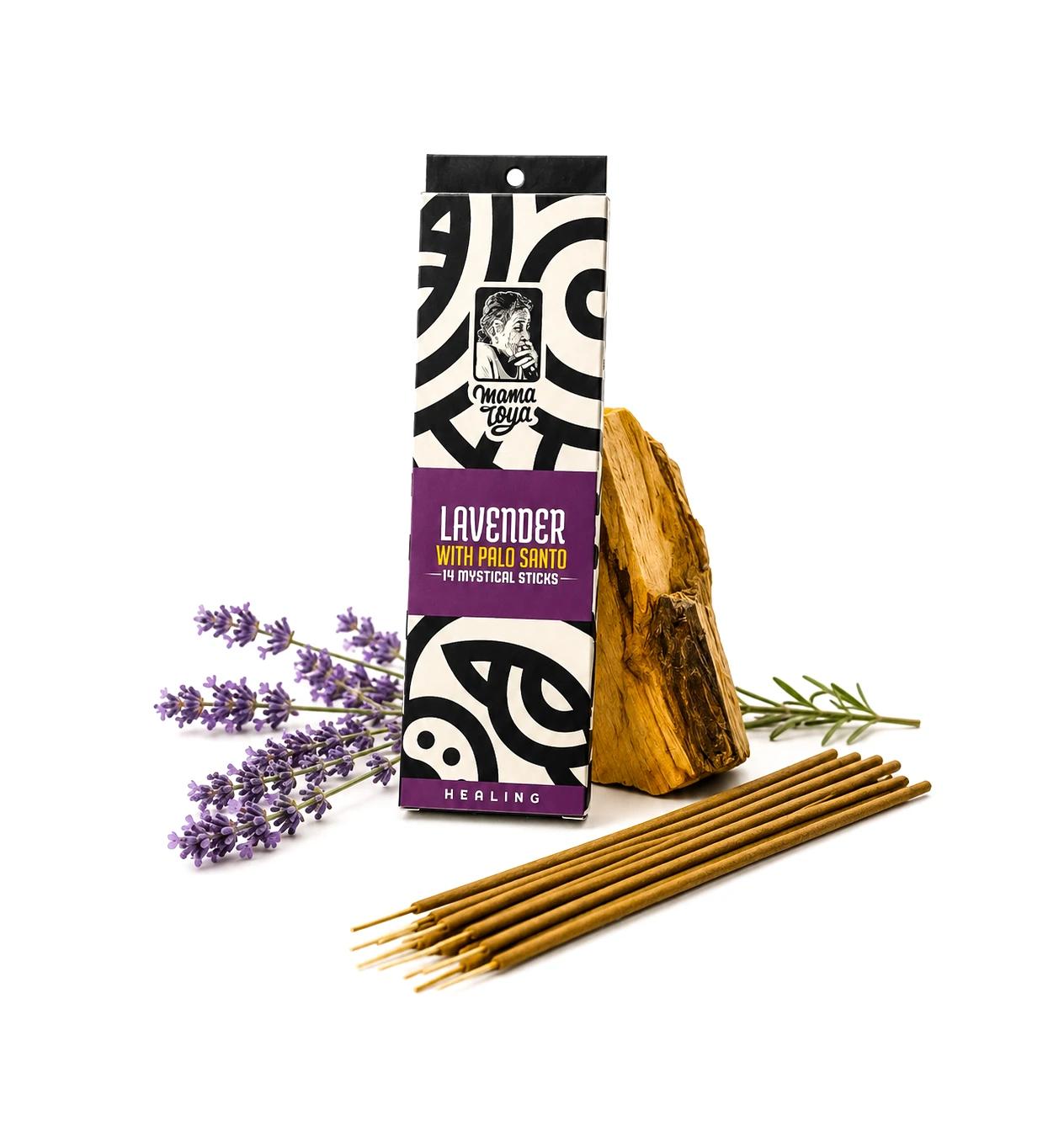 Sale
Lavender with Palo Santo Incense Sticks (14 Pack)
$ 7.65
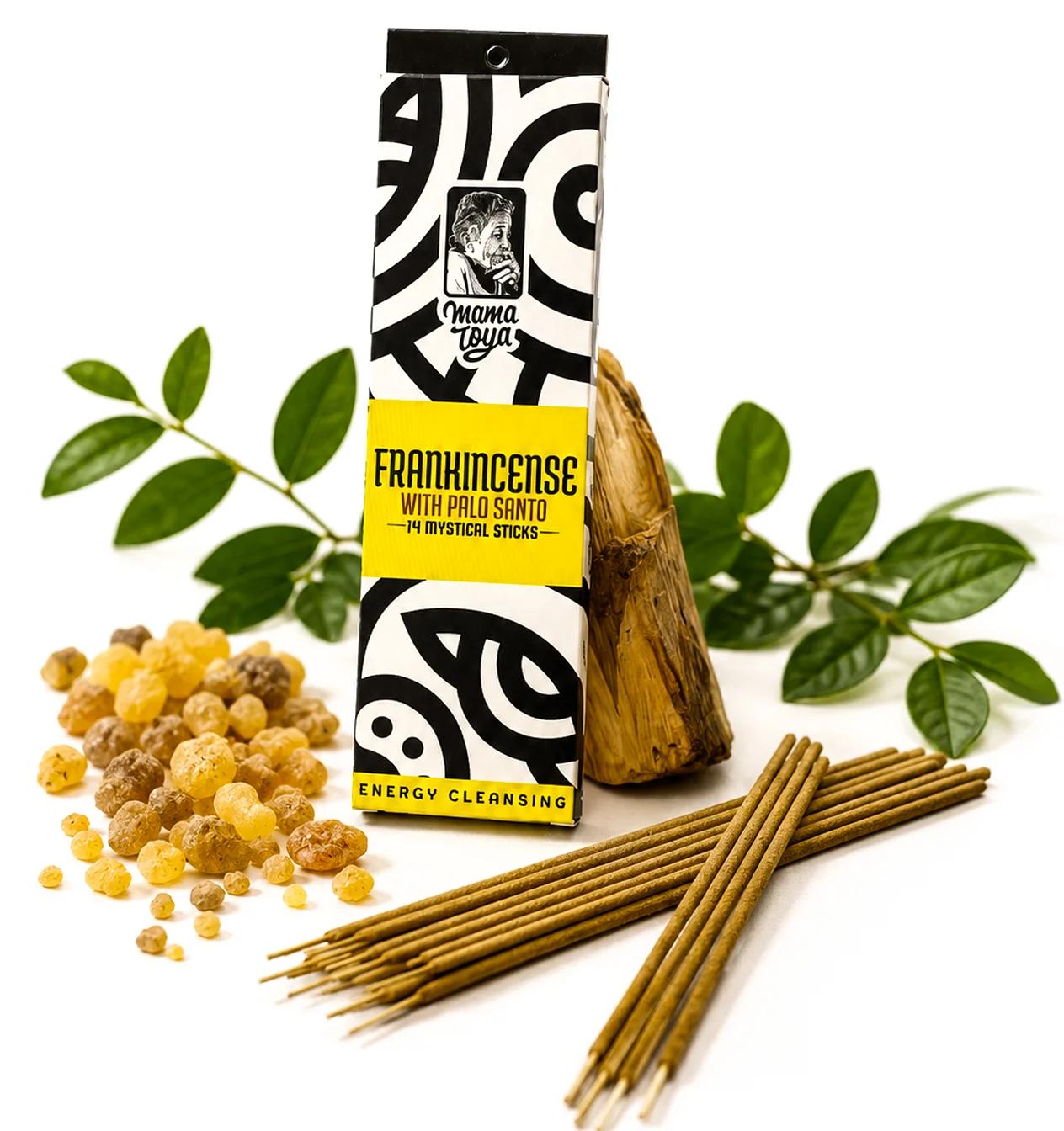 Sale
Palo Santo & Frankincense Incense Sticks (14 Pack)
$ 7.65
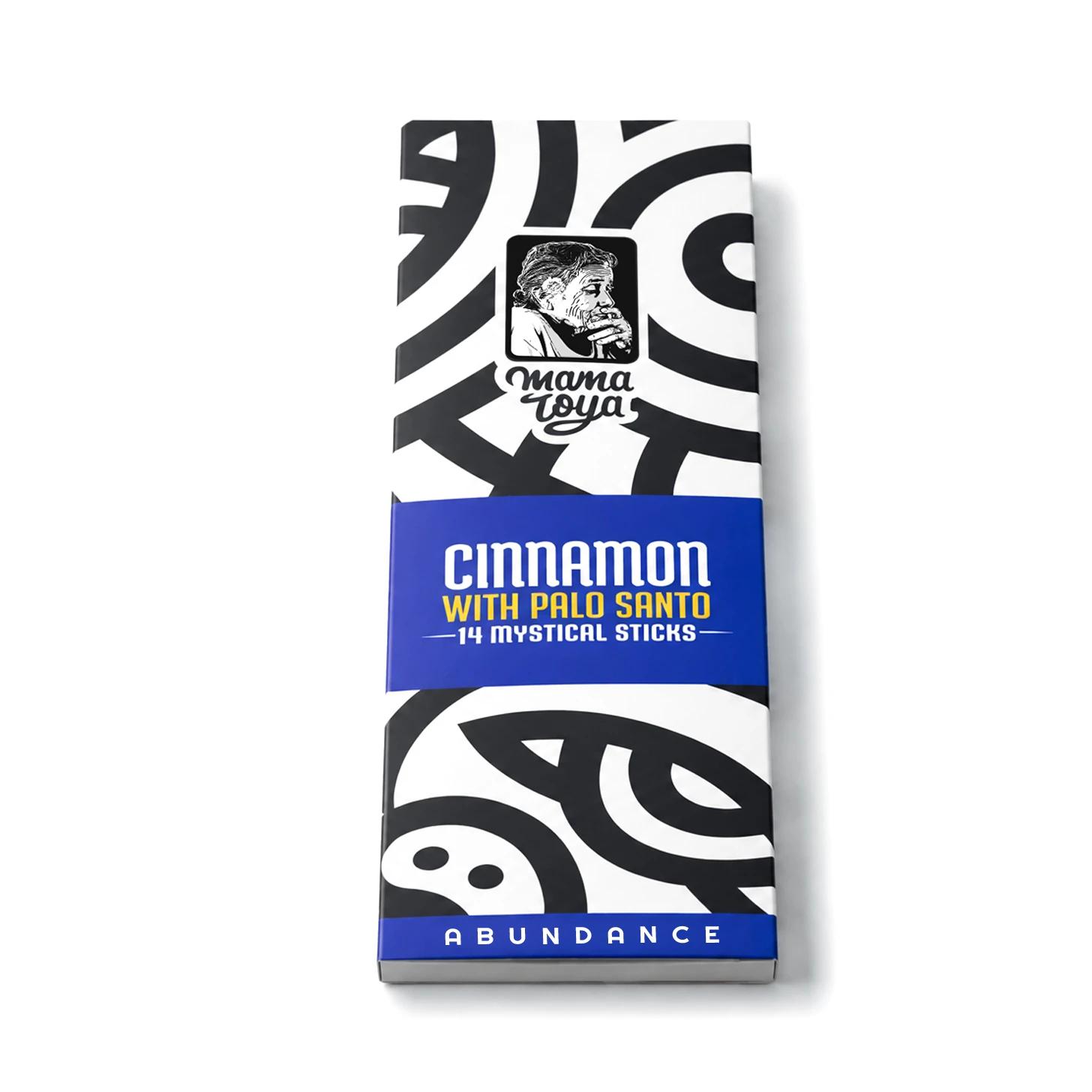 Sale
Palo Santo & Cinnamon Incense Sticks (14 Pack)
$ 7.65
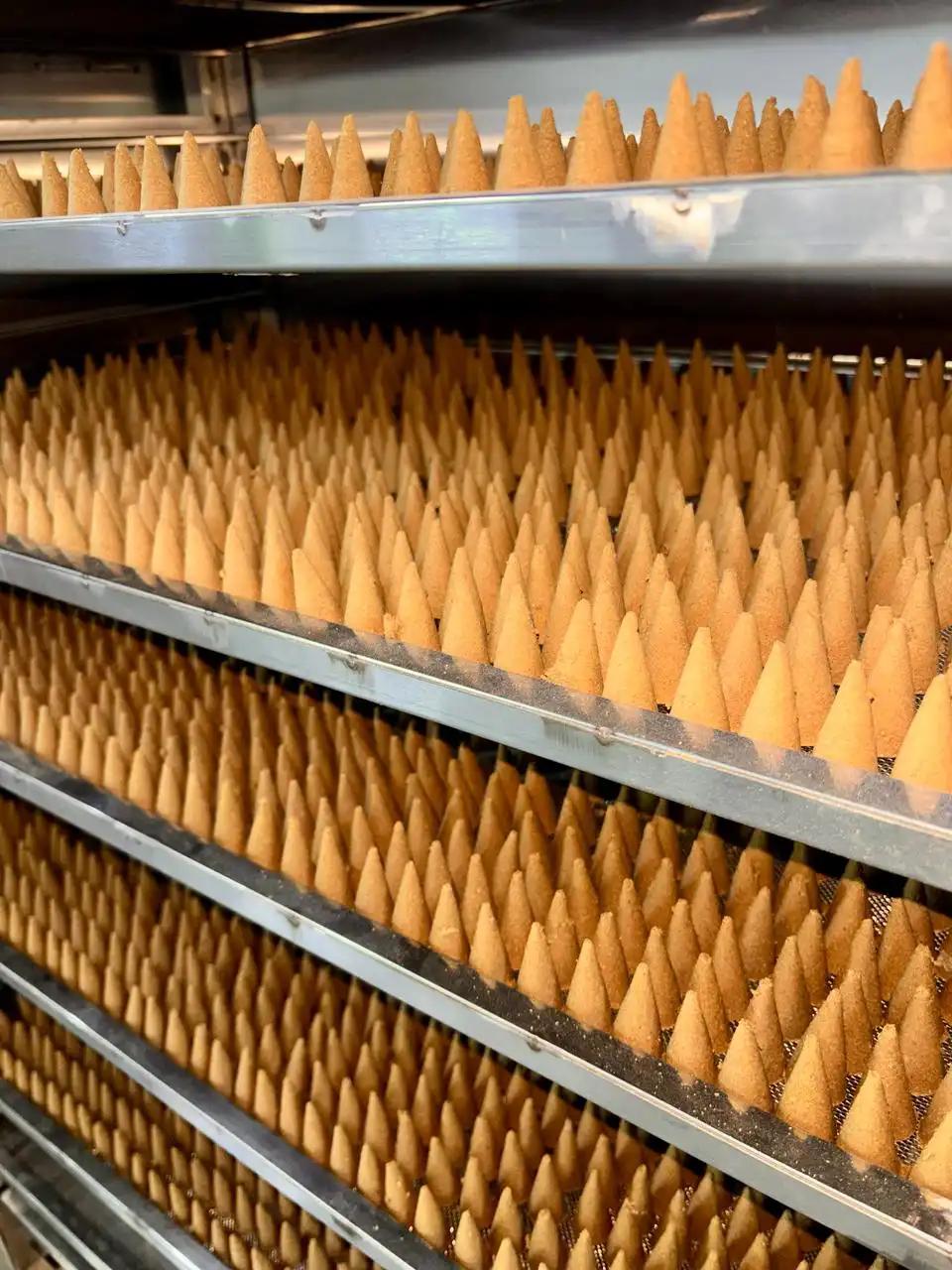
Palo Santo Cones in bulk l Premium Quality
$ 190.00
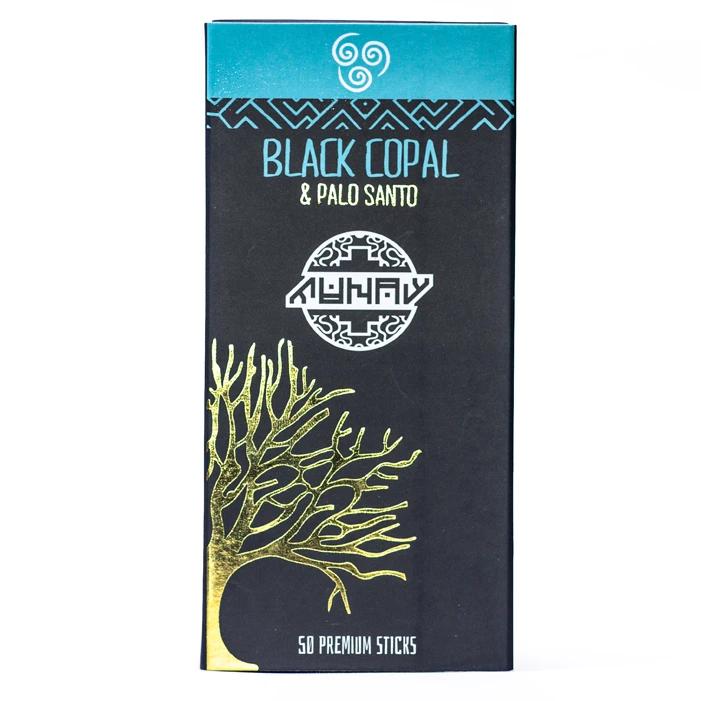 Sale
Palo Santo & Black Copal Premium Incense Sticks (50 Pack)
$ 10.80
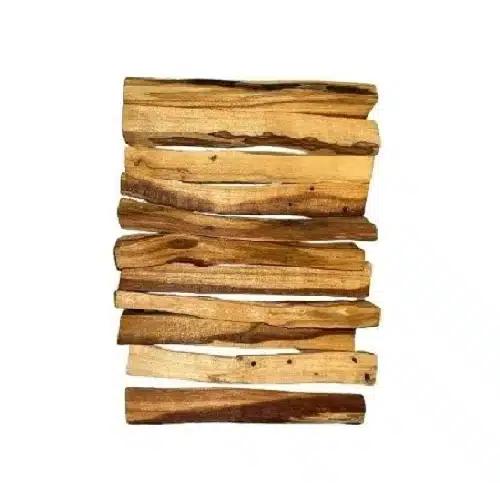
Palo Santo Sticks Wholesale 5 kg 11 lb
$ 150.00
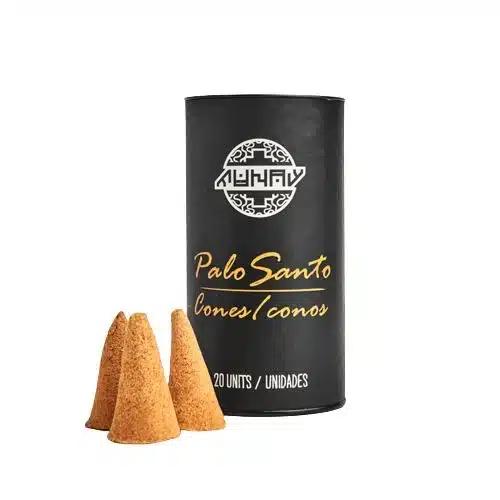
Buy Palo Santo Cones 20 units l Premium Quality
$ 15.00
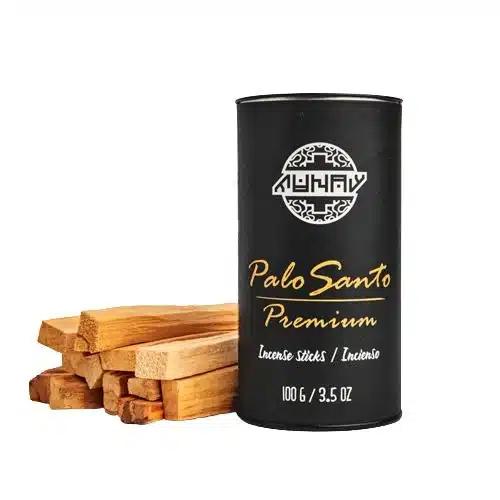
Buy Palo Santo Sticks 100g / 3.5 oz l MUNAY BRAND
$ 9.00
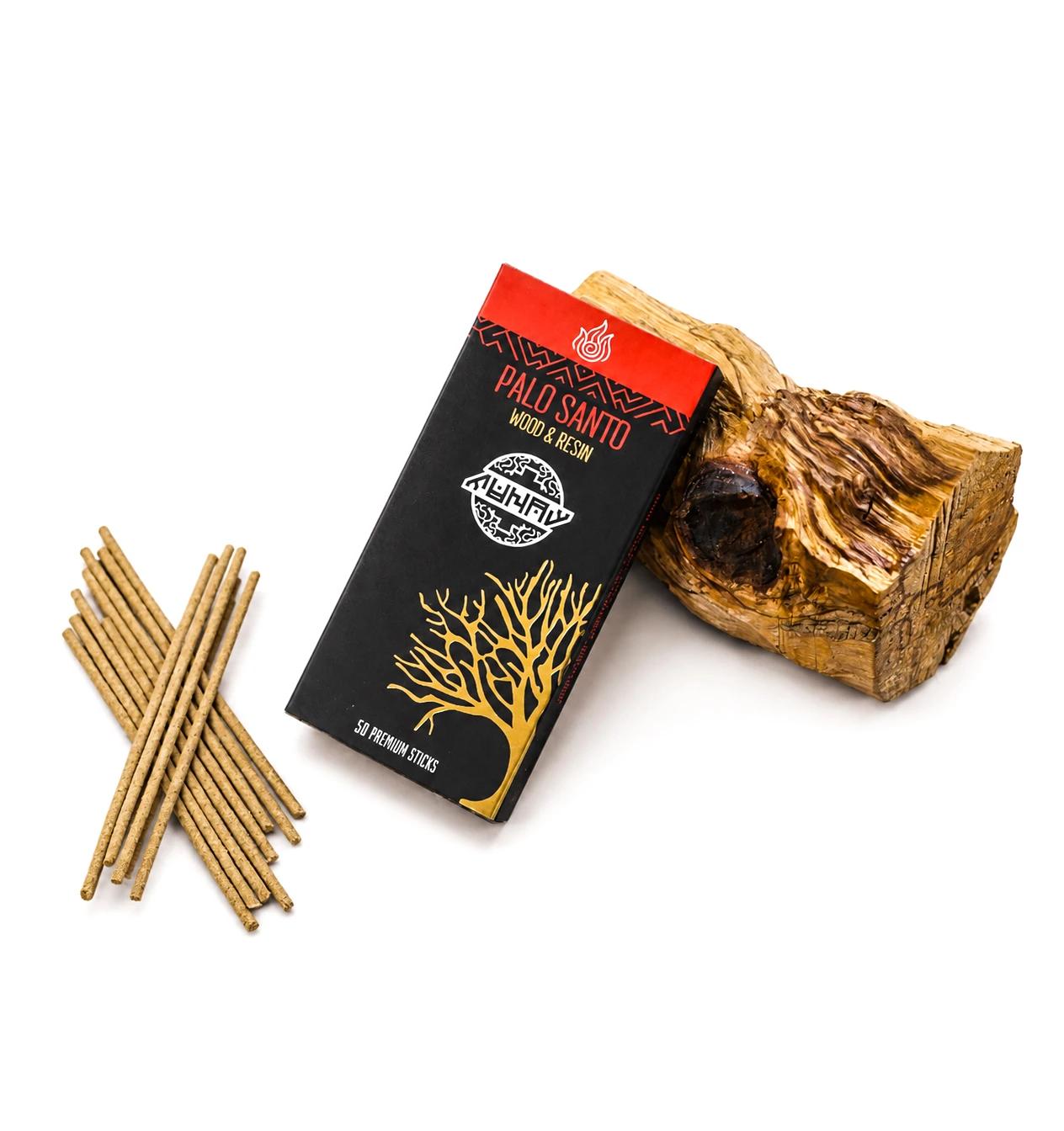 Sale
Dhoop Incense Stick Munay – Palo Santo
$ 10.80
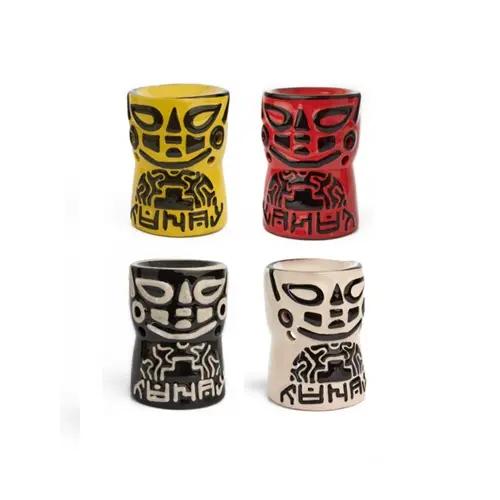
Palo Santo Stick Cones Oil Burner Handmade
$ 25.00
Why fallen wood, and why it matters to the smell
Palo santo only develops its resin — the part that produces the sweet, citrus-and-pine smoke people recognise — after the tree has died and lain on the forest floor. A living tree cut down does not have it. The aroma is, quite literally, the record of those years of decomposition.
That is why cutting a standing palo santo tree is both illegal in Peru and pointless: the wood would be almost odourless. Anyone offering cheap sticks with a weak smell is usually selling either young wood or a different species entirely.
How to tell real palo santo from what is sold as palo santo
Real Bursera graveolens is pale, dense and oily to the touch, with visible resin channels. It lights easily and holds an ember without needing to be relit every few seconds. The smoke is sweet, slightly citric, never acrid.
The common substitutes are lighter, drier woods with almost no resin, sometimes sprayed with fragrance oil. They smell strong for the first ten seconds and then smell of burnt wood. If a stick needs constant relighting, it is not resinous enough.
Formats: from a 100 g pack to 5 kg cases
For personal use, the 100 g pack of hand-cut sticks is the usual starting point — roughly 12 to 18 sticks depending on thickness, which lasts most people several months.
For shops, therapists and brands, the same wood is available in 5 kg cases and by the sack, with wholesale pricing from 100 units mixing any references in the catalogue. Sticks can be cut to a requested length, and we produce under private label with your own packaging from 1,000 units per reference. Tell us the volume and the destination port and we return a landed cost within 24 hours.
Where this wood comes from
We are a Peruvian producer, not a reseller. The wood is collected in the dry forest around Las Lomas, in Piura, by families who have done it for generations, under permits issued and audited by SERFOR, the national forestry service.
Each shipment travels with its forestry documentation. For export customers this matters beyond conscience: without it, palo santo can be held at customs.
Frequently asked questions
- How long does one palo santo stick burn?
- A stick lights in about 20 seconds and, once you blow out the flame, smoulders for two to four minutes. You do not burn it whole: the same stick is normally relit ten or more times before it is spent.
- Is palo santo endangered?
- Bursera graveolens is not on the CITES endangered list. What is regulated is how it is obtained: in Peru only naturally fallen dead wood may be collected, and only under a forestry permit. Wood harvested that way does not reduce the standing population.
- Do you sell wholesale?
- Yes. Wholesale pricing applies from 100 units mixing any references in the catalogue; bulk wood ships in 5 kg cases and by the sack, cut to your specification, and private label starts at 1,000 units per reference. Send us the volume and destination and we return a landed cost within 24 hours.
Before you buy
Need volume or private label?
Tell us the volume and the destination port and we return a landed cost within 24 hours.
Request a quote