
Natural Incense
Natural incense means the smell comes from the material burning, not from something sprayed onto it. Everything in this collection is made that way, which is also why it smells quieter and more specific than commercial incense.
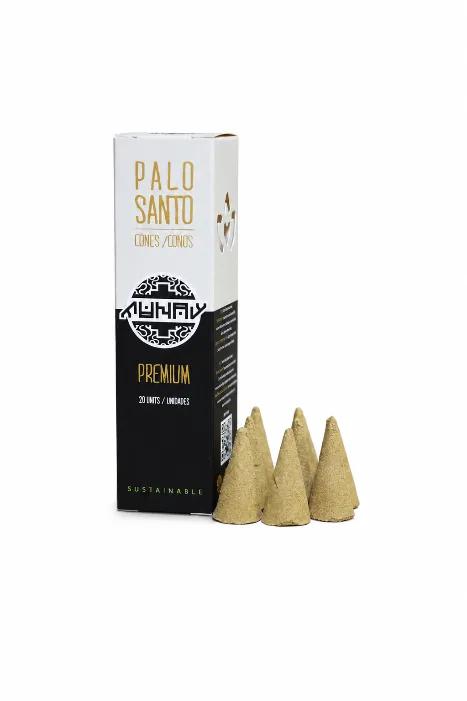 Sale
Premium Palo Santo Incense Cones (20 Pack) | Spatial Clearing & Ambient Reset
$ 9.35
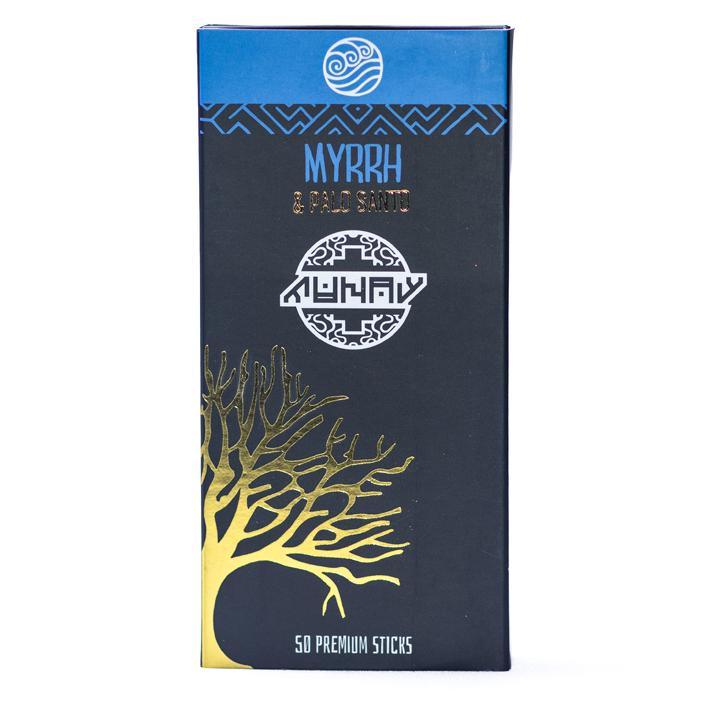 Sale
Premium Myrrh & Palo Santo Incense Sticks (50 Units) | Magnetic Resonance & Deep Unwinding
$ 10.80
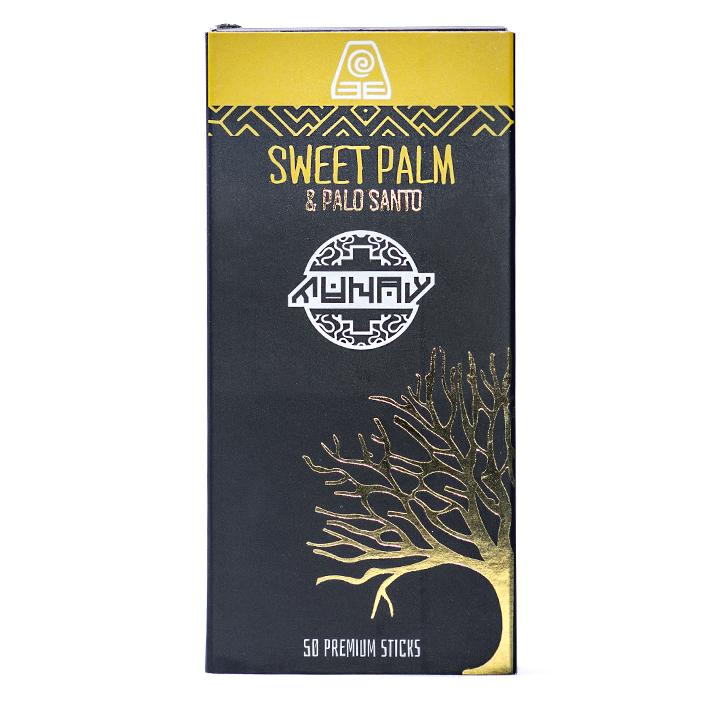 Sale
Premium Sweet Palm & Palo Santo Incense Sticks (50 Units) | Somatic Grounding & Stability
$ 10.80
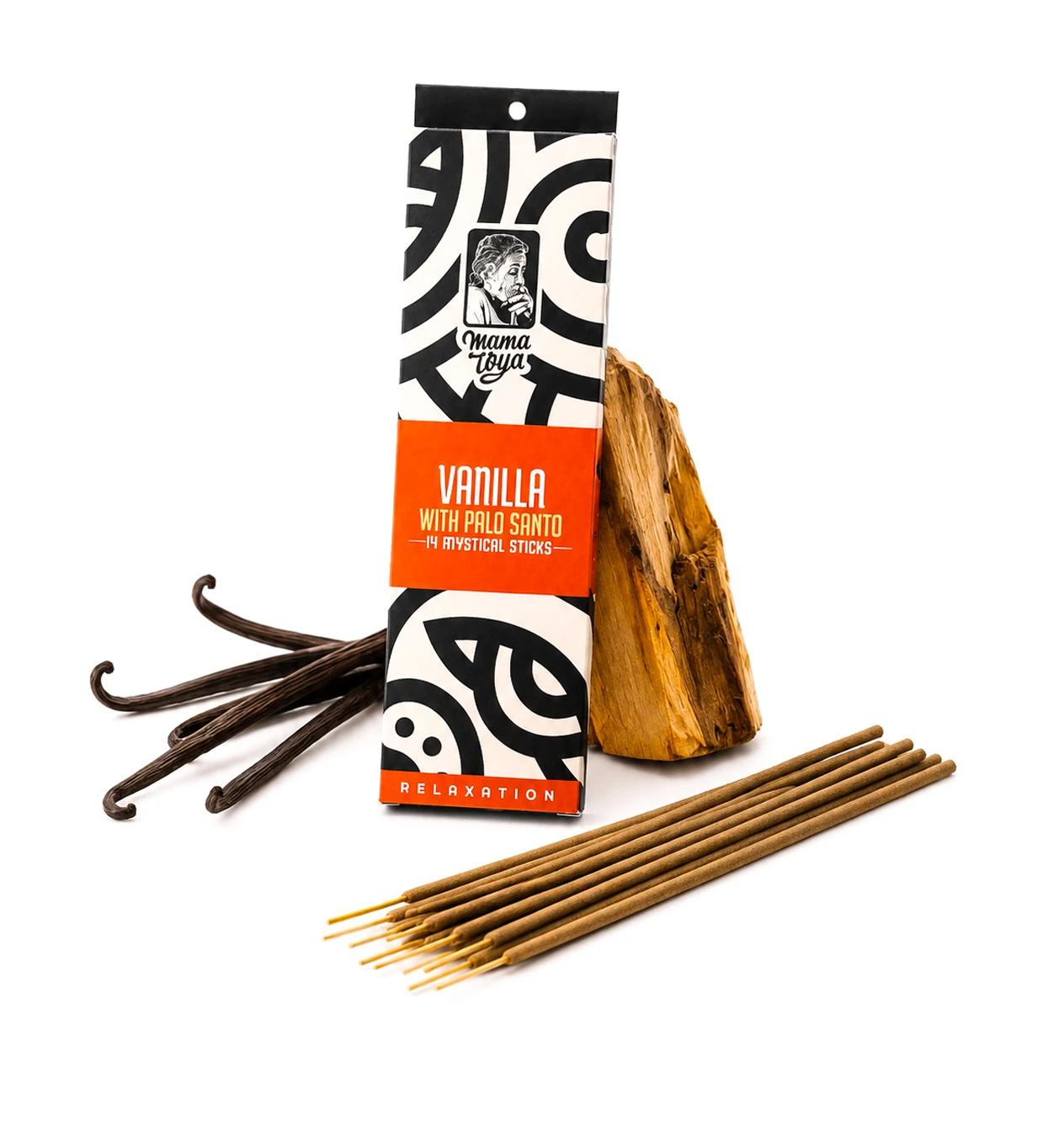 Sale
Vanilla with Palo Santo Incense Sticks (14 Pack)
$ 7.65
 Sale
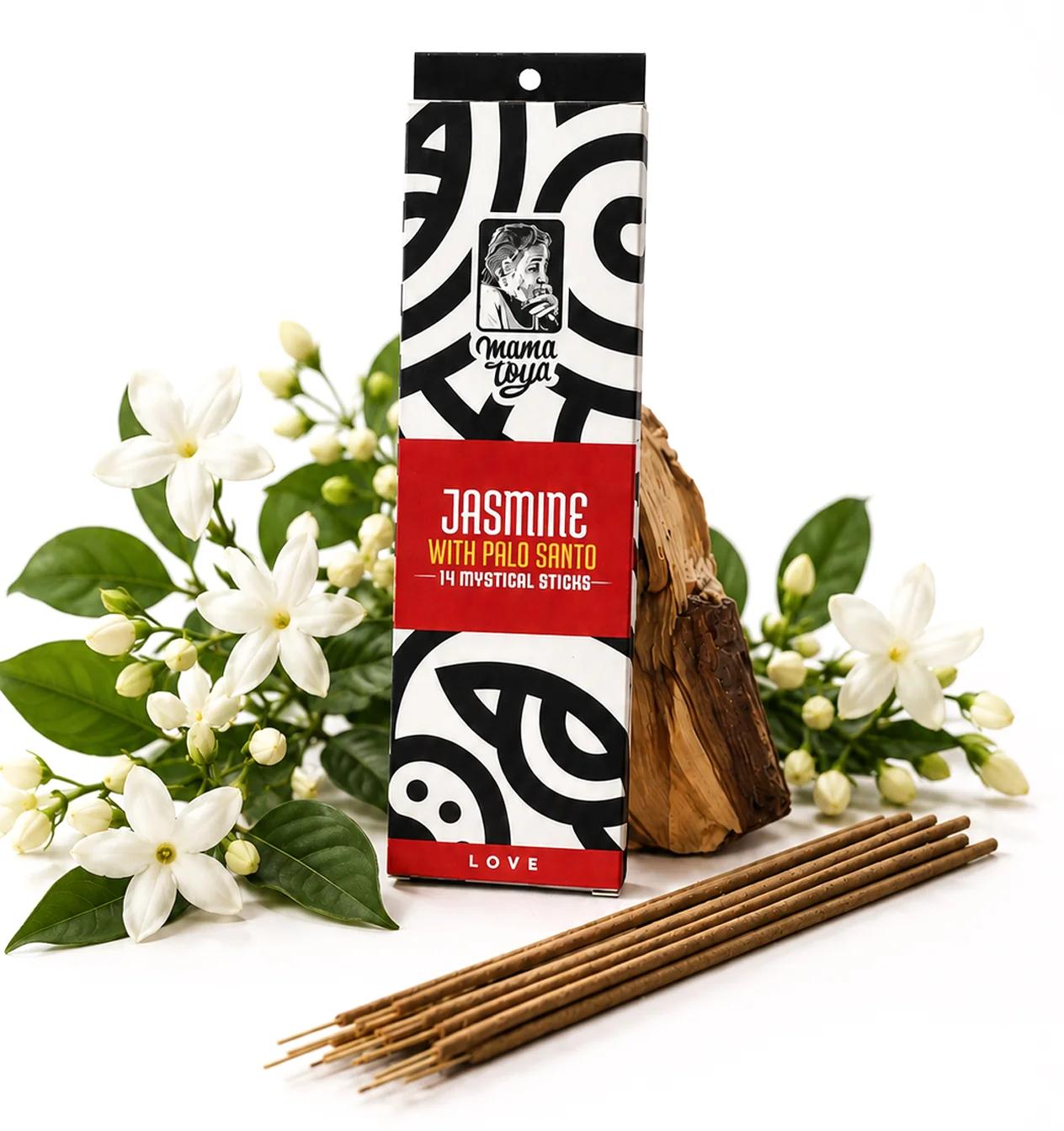
Palo Santo & Jasmine Incense Sticks (14 Pack)
$ 7.65
 Sale
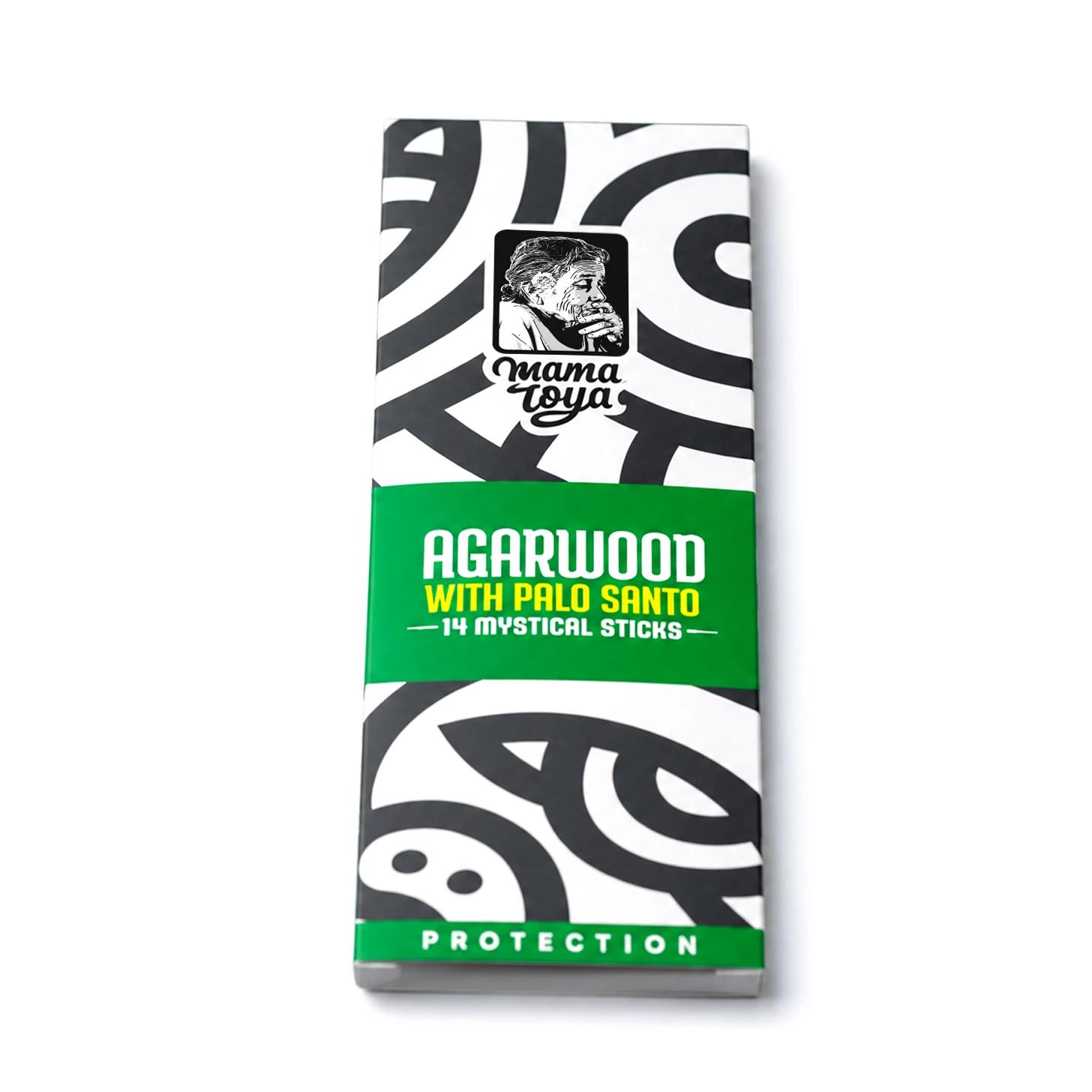
Agarwood with Palo Santo Incense Sticks (14 Pack)
$ 7.65
 Sale
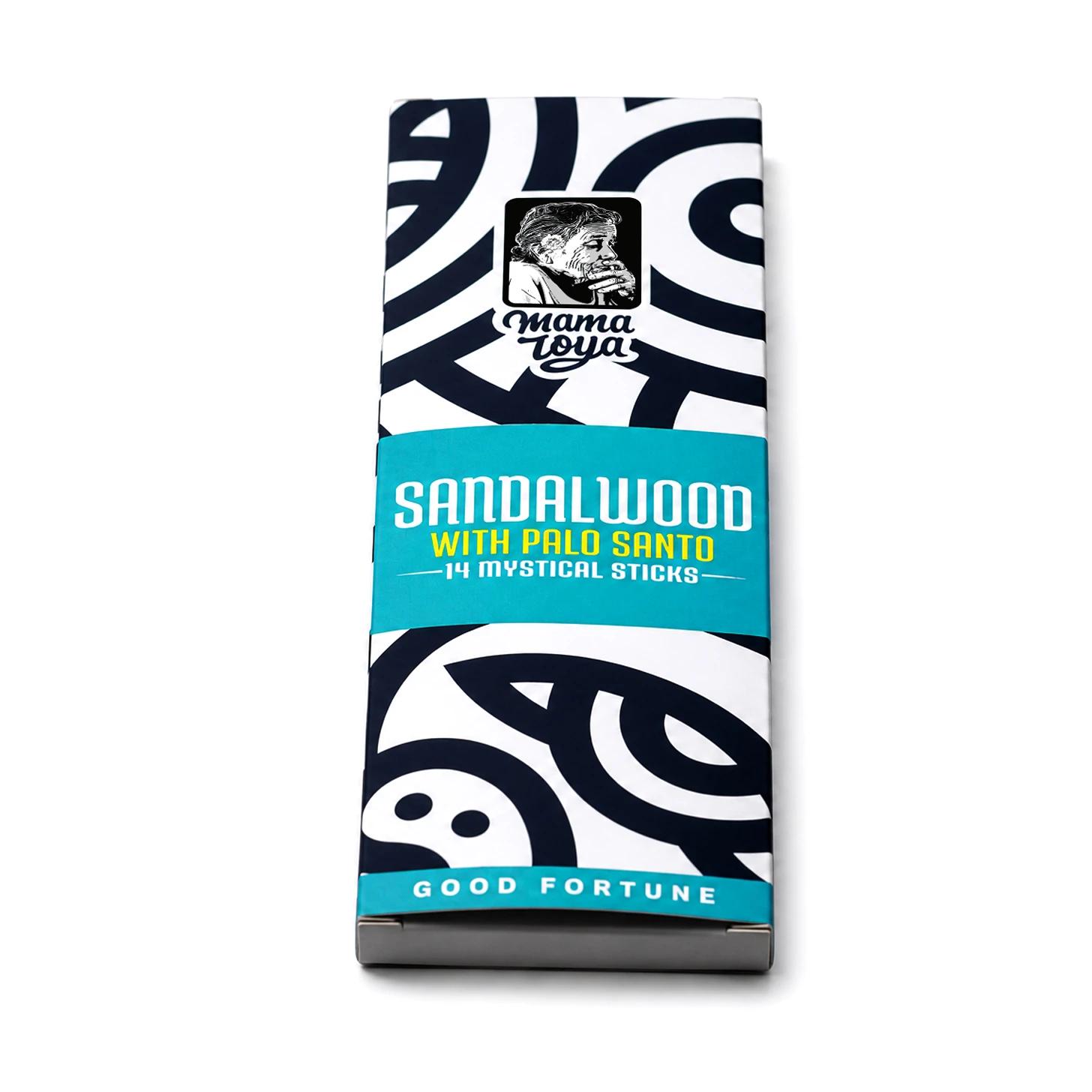
Sandalwood with Palo Santo Incense Sticks by Mama Toya (14 Pack)
$ 7.65
 Sale
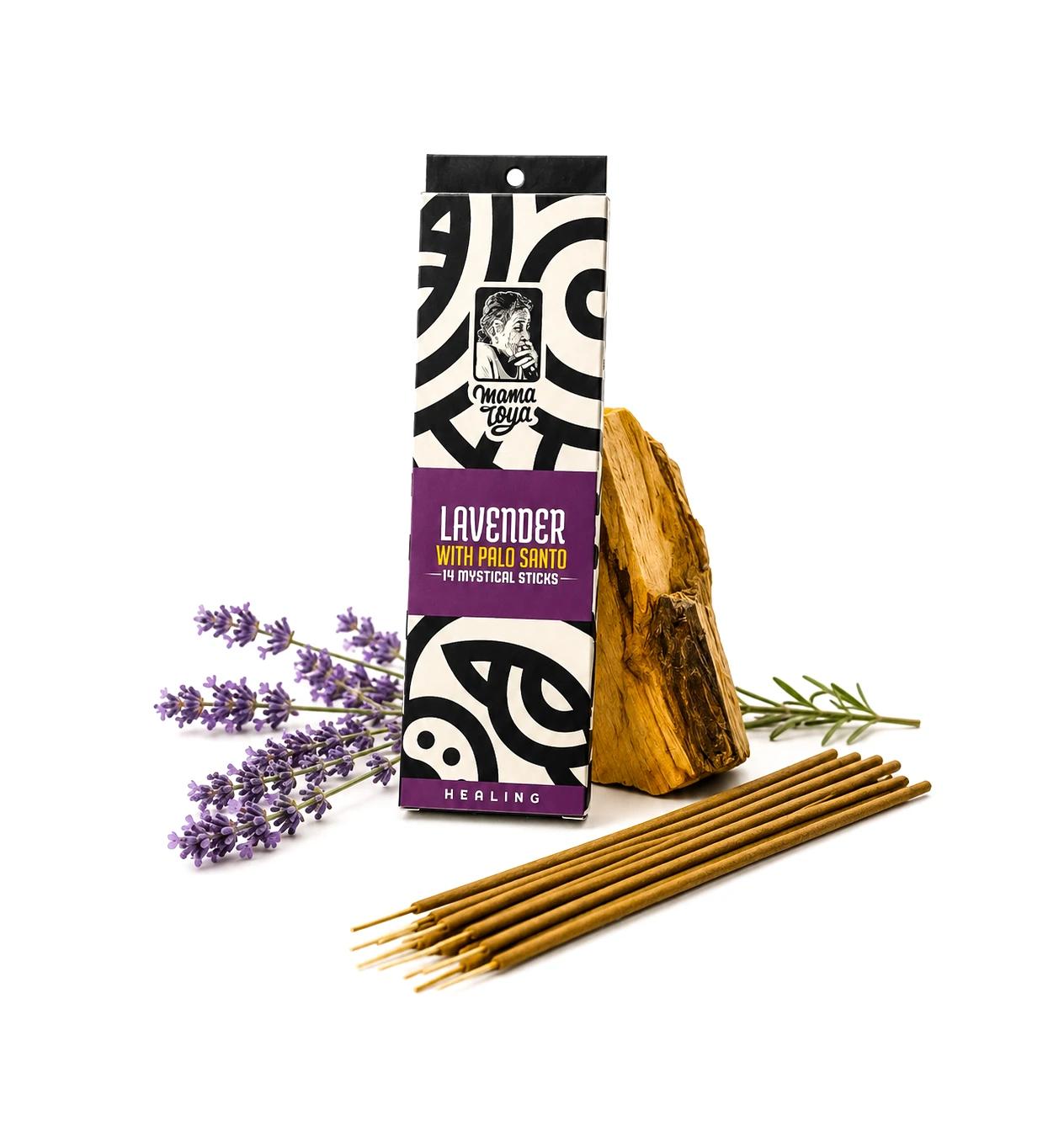
Lavender with Palo Santo Incense Sticks (14 Pack)
$ 7.65
 Sale
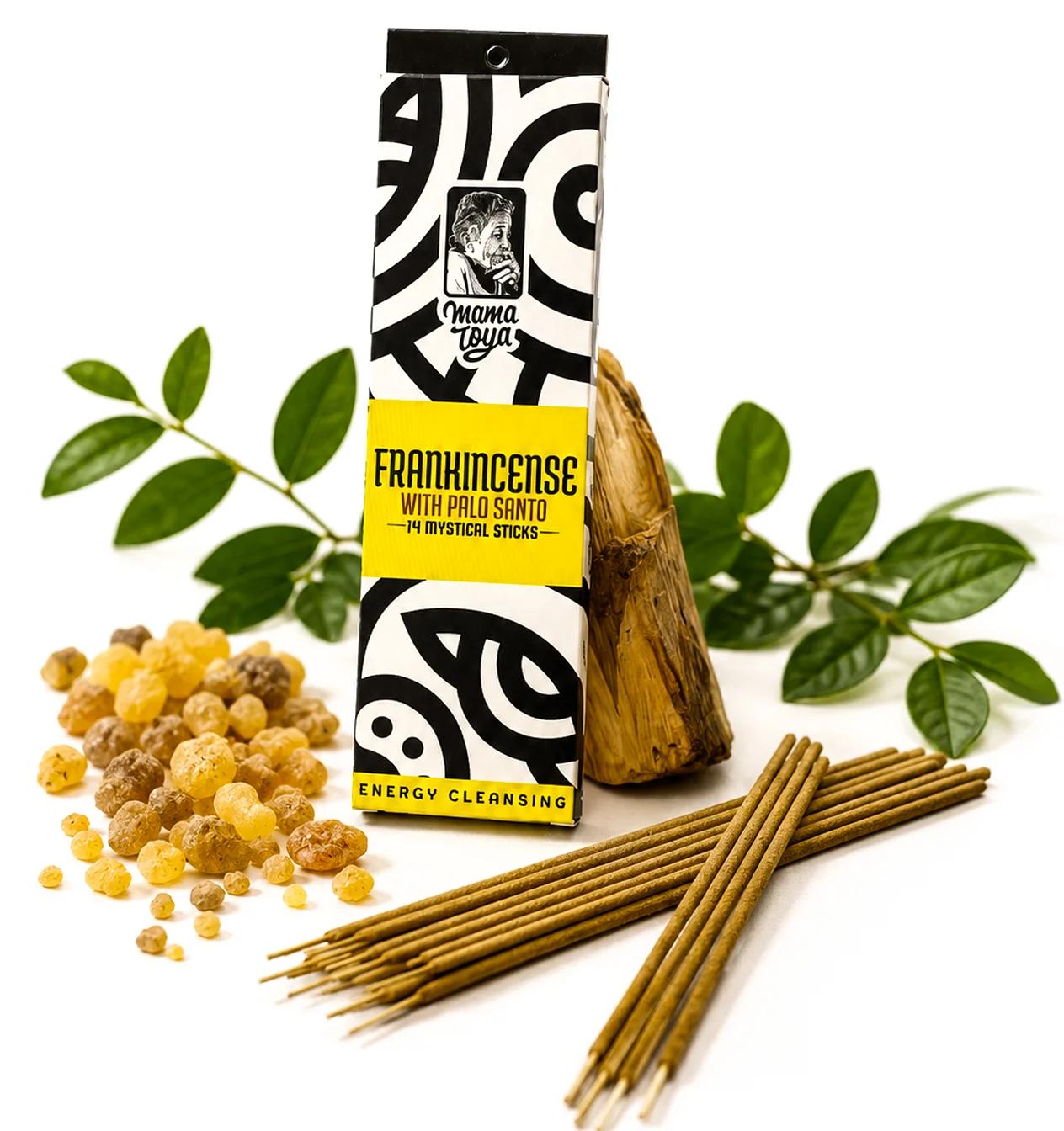
Palo Santo & Frankincense Incense Sticks (14 Pack)
$ 7.65
 Sale
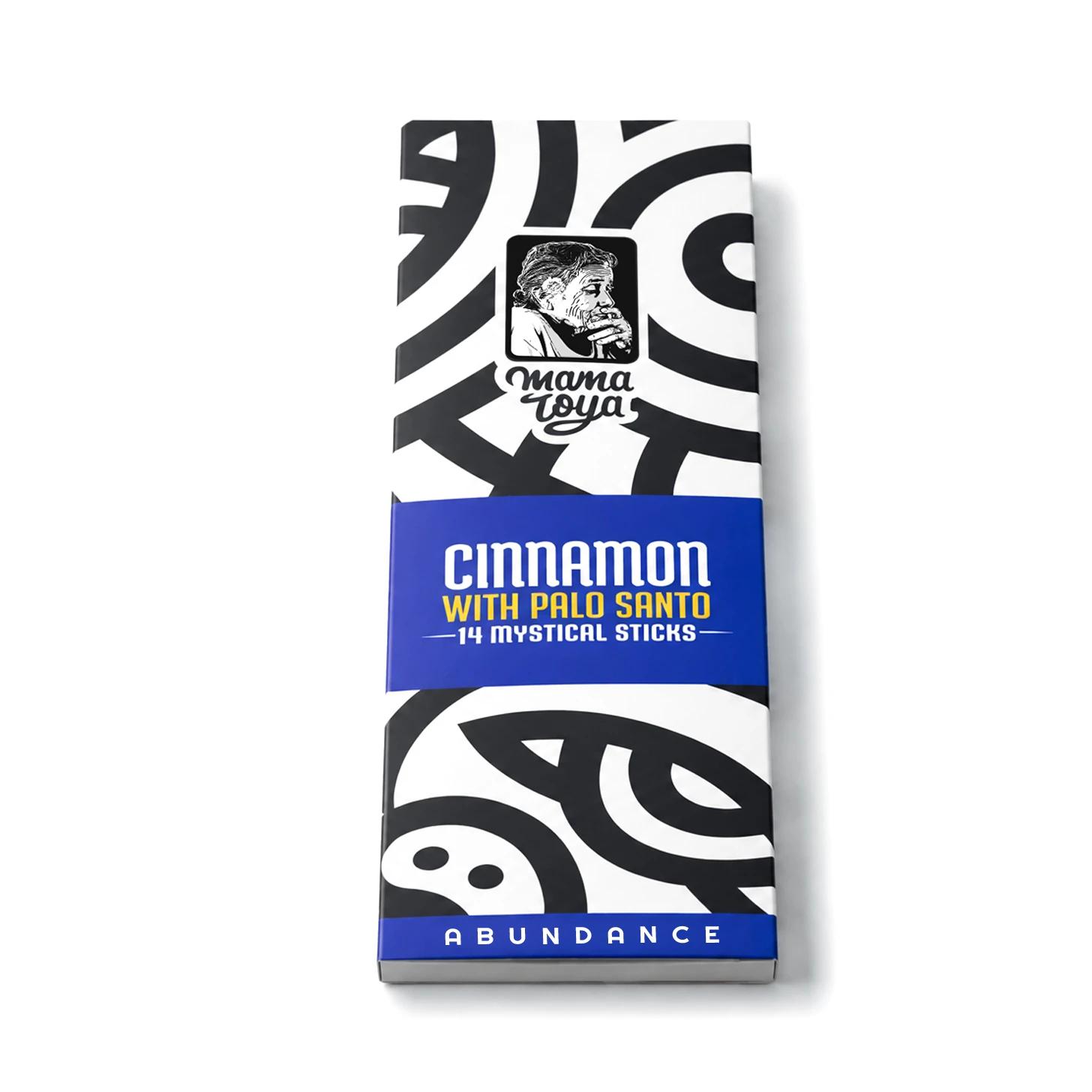
Palo Santo & Cinnamon Incense Sticks (14 Pack)
$ 7.65
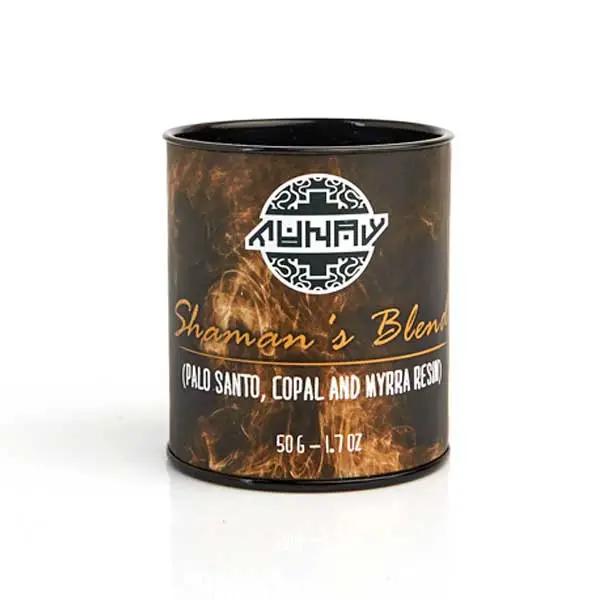
Shaman’s blend resin
$ 18.00
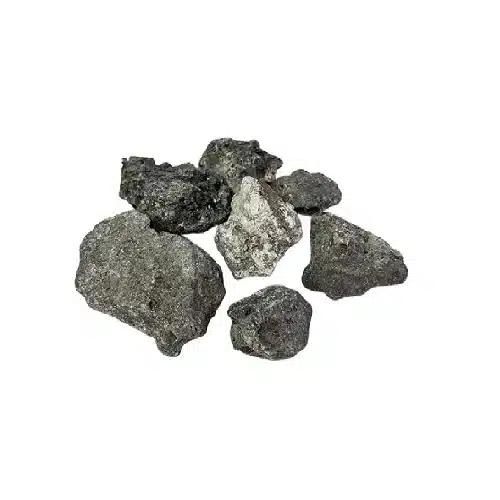
Black Copal Resin Amazonian Incense 100 g – Bulk
$ 15.00
What separates natural incense from the rest
Most incense on the market is a neutral stick — bamboo, charcoal or sawdust of no particular species — soaked in a fragrance solution. It is cheap to make and it smells strong, which is why it dominates the shelf.
Natural incense is the opposite trade-off: the raw material is the expensive part, the smell is softer, and it changes as it burns because plant material is not uniform. If you have ever wondered why a resin smells different at the start and at the end, that is why.
The materials we work with
Palo santo, the resinous dry-forest wood from northern Peru. Black copal, the Amazonian resin used ceremonially long before incense was a retail category. Myrrh and frankincense, the two classical resins. Sandalwood, sweet palm, and a handful of botanicals for the blends.
All of it is either produced by us or sourced from producers we buy from directly. Nothing here is a relabelled import.
Burning resin versus burning a stick
A stick is self-combusting: you light it and it does the rest. A resin is not — it needs a heat source underneath, either a charcoal disc or a burner with a tealight below the dish.
Resin is more work and gives more control. You choose how much to put on, you can stop at any moment, and the smoke is considerably denser. For a short, intense clearing of a room, resin is the better tool; for background scent over an hour, a stick is.
For shops and brands
We supply natural incense wholesale by the kilo and by the case, and we manufacture under private label with your own blend and packaging.
Because there is no fragrance oil involved, the shelf life is long and the product does not need to be kept away from heat the way scented sticks do. Tell us the format, the volume and the destination and we return a landed cost within 24 hours.
Frequently asked questions
- Is natural incense less smoky?
- Not necessarily less smoky — often more, in the case of resins. What changes is the character of the smoke: it is softer on the throat and it does not leave the sharp chemical edge that fragrance-dipped sticks tend to.
- Do I need a special burner?
- For sticks, only a holder that catches the ash. For resins and charcoal, you need a heat-proof dish or a burner designed for it — a ceramic bowl with sand is the traditional solution.
- How should I store it?
- In a closed container, away from direct sun. Natural incense does not evaporate the way fragrance oils do, so it keeps its smell for years if it is not left open.
Before you buy
Need volume or private label?
Tell us the volume and the destination port and we return a landed cost within 24 hours.
Request a quote